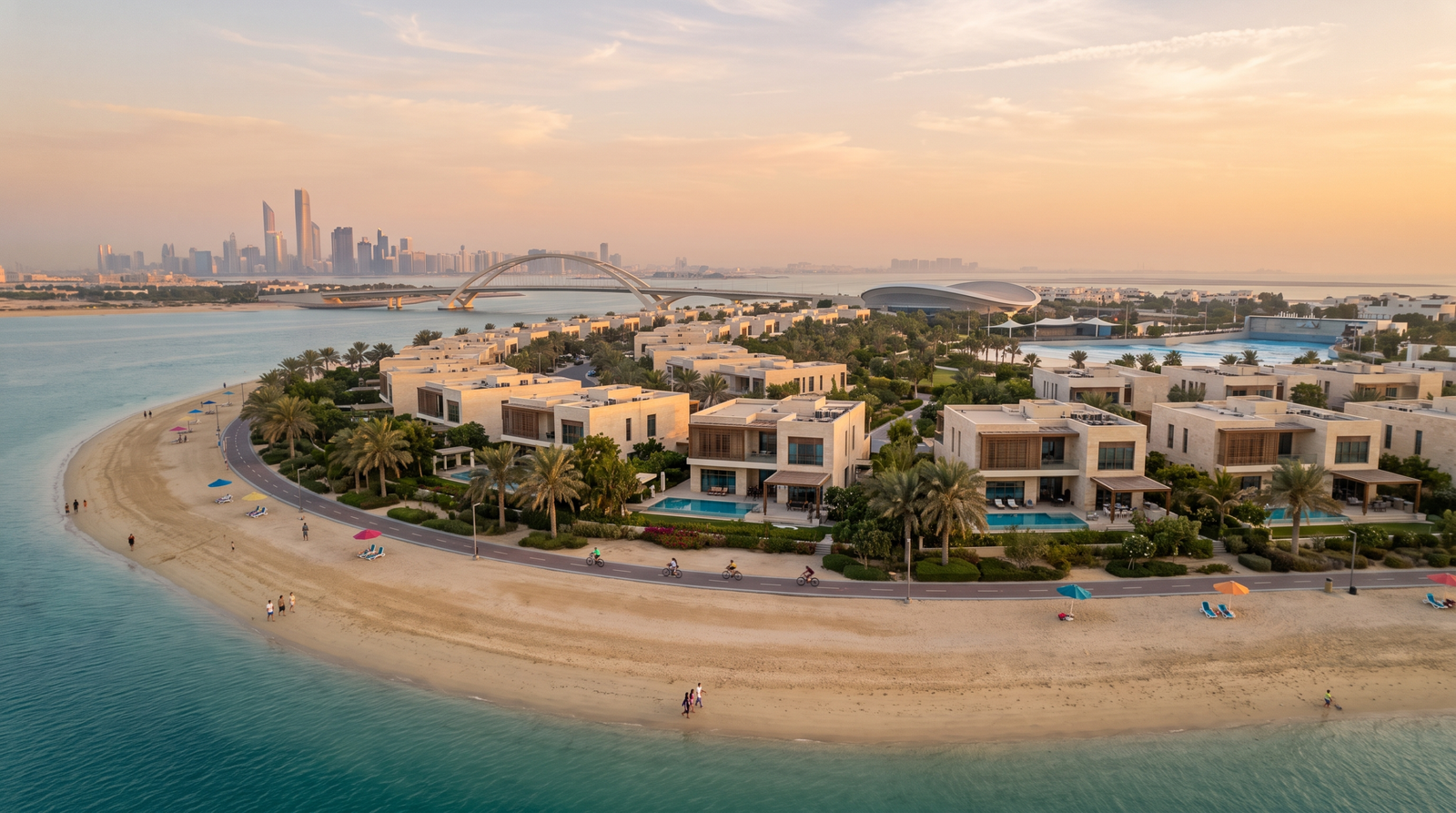
For over two decades, I have navigated the intricacies of the UK housing market—from high-yield HMOs in the North to luxury refurbs in the heart of London. However, as we move through February 2026, the landscape has shifted fundamentally. For the British investor holding £500,000 in liquid capital, the traditional “safe bet” of the capital city is being challenged by a desert powerhouse. When we analyze Dubai vs. London property investment, we aren’t just comparing two cities; we are comparing two entirely different economic philosophies.
In this deep-dive analysis, I will break down why the smart money is migrating. We will look at the hard facts—the “Data Nuggets” of 2026—to determine where your £500,000 will not only survive but thrive. Whether you are seeking legacy wealth or immediate cash flow, understanding these nuances is the most critical financial decision you will make this year.
The £500K Reality Check: Brick, Mortar, and Buying Power
When you step into the market with half a million pounds, you expect a certain level of prestige. But in 2026, the “prestige gap” between the Thames and the Arabian Gulf has never been wider.
London: The Struggle for Zone 2
In London, £500,000 is no longer a “luxury” budget; it is an entry-level ticket for professionals. Currently, this budget secures you a one-bedroom apartment (approximately 520 sq. ft.) in burgeoning but peripheral areas like Hackney Wick, Peckham, or perhaps a compact unit in Canary Wharf.
The reality of London investment in 2026 involves:
- Leasehold Complications: You are likely buying a leasehold, which comes with the baggage of ground rents and escalating service charges that offer little in return.
- Maintenance Heavy: Much of London’s high-yield stock is aged. Victorian conversions or early 2000s blocks require constant CAPEX (Capital Expenditure) to remain compliant with 2026 EPC (Energy Performance Certificate) ratings.
Dubai: The High-Rise Revolution
Switching the lens to the market in the Emirates, your £500,000 (roughly AED 2.38 million) transforms you from a “small fish” into a “VIP buyer.” In prime districts like Dubai Marina, Business Bay, or the newly matured Creek Harbour, this capital secures a sprawling two-bedroom apartment (1,200+ sq. ft.) with views that London’s Shard would envy.
In this market, your investment includes:
- Freehold Ownership: In designated areas, you own the asset outright—the land and the sky above it.
- World-Class Amenities: Infinity pools, valet parking, and biometric security aren’t “add-ons”—they are the baseline standard for 2026 developments.

Analyzing Yields: Why Dubai vs. London Property Investment is a Race for Cash Flow
In the world of property, “Profit is Sanity, Turnover is Vanity.” As an investor, your primary concern is the Net Yield—the money that actually hits your bank account after all expenses.
The London “Squeeze”
The UK rental market in 2026 is under immense pressure. Higher interest rates compared to the last decade, combined with the “Section 24” tax changes that prevent landlords from deducting full mortgage interest, have decimated margins.
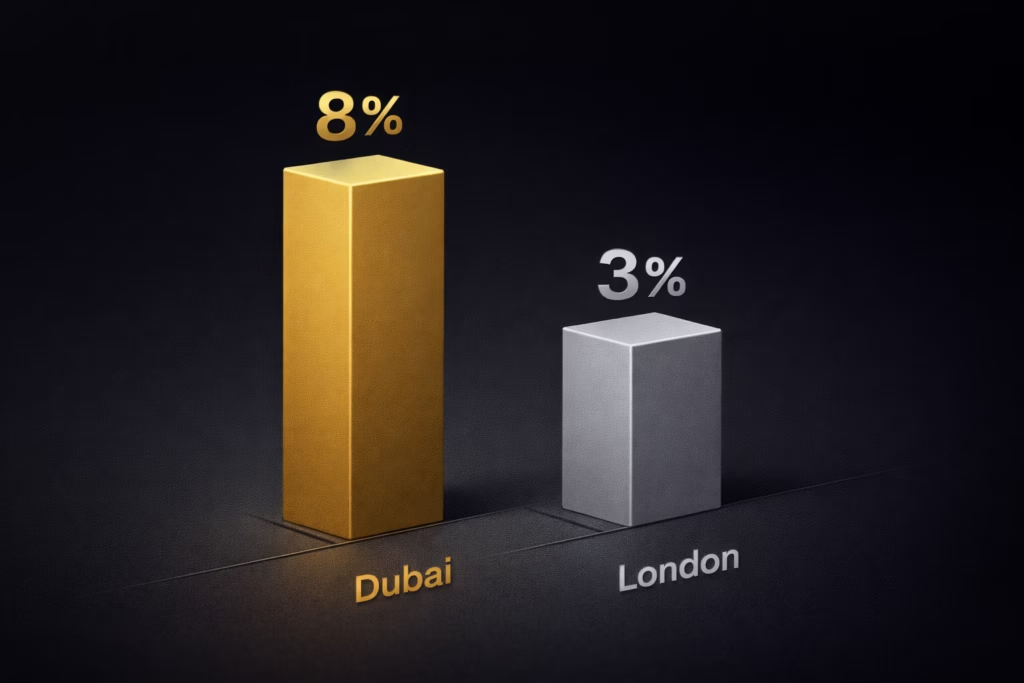
- Gross Yield: 4.5%
- Net Yield: Often drops to 2.5% or 3% after management, tax, and insurance.
The Dubai “Surge”
In contrast, the yield dynamics in the Gulf tell a story of consistent growth. In February 2026, Dubai’s rental market is buoyed by a massive influx of “Digital Nomads” and multinational executives, creating a level of demand that far outstrips the traditional London rental model.
- Gross Yield: 8% to 10%
- Net Yield: Remains a robust 7% to 8.5%.
Why is the gap so small? Because in Dubai, there is no income tax on rent, and the “Service Charges” are transparent and fixed by the RERA (Real Estate Regulatory Authority). When you calculate the compounding effect of an extra 5% yield over ten years, the difference isn’t just thousands—it’s hundreds of thousands.
The Tax Elephant: Safeguarding Your Wealth in 2026
If there is one reason my clients are moving their portfolios to the UAE, it is the tax environment. The UK’s 2025/2026 fiscal policy has made it increasingly difficult to be a “profitable” landlord.
UK Capital Gains vs. Dubai’s Zero-Tax Shield
When you eventually sell your London asset, the HMRC is waiting. Capital Gains Tax (CGT) in the UK for residential property can swallow up to 24% of your profit. Add to that the Stamp Duty Land Tax (SDLT) on the way in, and you are starting your investment in a deep hole.
When looking for a tax-efficient divestment, Dubai offers a “Clean Exit.”
- 0% Capital Gains Tax: Every penny of appreciation is yours.
- 0% Rental Income Tax: Your monthly cash flow is yours to reinvest or spend.
- 4% DLD Fee: While there is a 4% transfer fee, it is a one-time payment that replaces the complex tiered Stamp Duty system of the UK.
The 2026 Data Nuggets: The Hard Facts of Dubai’s Dominance
To truly master the international real estate landscape, you must look at the macro-economic indicators of 2026:
- Population Milestone: As of this month, Dubai’s population has officially surged past 4.1 million people. This isn’t just a number; it represents a fundamental shortage of high-quality housing, driving both prices and rents upward.
- The USD Hedge: The UAE Dirham (AED) is pegged to the US Dollar. For a UK investor, buying in Dubai is a strategic move to hedge against a volatile Pound Sterling. You are effectively moving your wealth into a Dollar-backed asset class.
- The 10-Year Golden Visa: By investing £500,000 (which exceeds the AED 2 million threshold), you are no longer just a tourist. You gain a 10-year residency, allowing you to open bank accounts, access world-class healthcare, and position your family in the world’s safest city.
Lifestyle, Liquidity, and the Exit Strategy
A great investment is only great if you can get out of it. One of the myths of this market comparison is that London is more “liquid.” In the 1990s, that might have been true. In 2026, it is the opposite.
Market Velocity
In London, a property sale can take 4 to 6 months to complete, often fraught with “chain” issues and Gazumping. In Dubai, the digital transformation of the Dubai Land Department (DLD) means a “Secondary Market” transaction can be completed in as little as 10 to 15 days.
Quality of Life ROI
We must also consider “Lifestyle ROI.” In Dubai, your £500k investment gives you access to a city with virtually zero crime, 365 days of sunshine, and a central global location. For the modern investor, this “peace of mind” factor is a non-monetary return that London—with its rising cost of living and urban fatigue—struggles to match in 2026.

Hidden Costs: Service Charges vs. Maintenance
Let’s be honest: Dubai is not “free” to run. The Service Charges (calculated per sq. ft.) cover the maintenance of the luxury amenities. However, in the context of Dubai vs. London property investment, these costs are often lower than the combined “Service Charge + Ground Rent + Ad-hoc Refurbishments” seen in London’s aging apartment blocks. In Dubai, the building is often under a developer warranty for the first few years, protecting your capital from unexpected shocks.
Conclusion: The Strategic Verdict on Dubai vs. London Property Investment
The data is clear. In the battle of Dubai vs. London property investment in 2026, the two cities are moving in opposite directions. London is a market of “wealth preservation” at best, hampered by high entry costs and aggressive taxation. Dubai has matured into a market of “wealth creation,” offering high yields, tax immunity, and a dollar-pegged security that the UK currently cannot provide.
If you have £500,000, you have a choice. You can settle for a cramped apartment in London’s Zone 3 and give 40% of your profit to the taxman, or you can secure a luxury asset in the world’s fastest-growing metropolis and keep every penny you earn.
As someone who has lived and breathed both markets, my recommendation is simple: Follow the data, not the tradition. The future of high-performing real estate is no longer in the West; it has moved to the Gulf.

Ready to Diversify Your Portfolio?
Don’t let your capital stagnate in a low-yield environment. At JamesSahota.com, we specialize in identifying “Off-Plan” and “Secondary Market” gems that outperform the market average.
Whether you are a seasoned landlord or a first-time international investor, my team and I are ready to build your 2026 Dubai strategy.
[Book a Strategic Discovery Call with James Sahota Today]
Let’s see how much further your £500k can go.