
Wednesday’s Budget isn’t the problem. Three things already in law are.
On Wednesday 28 October, the Chancellor stands up and tells the country what it’ll be paying next year. Every landlord I know is waiting for it. Fair enough. But if you own a rental property in England, the changes that matter most are already locked in, whatever he says.
I’m not writing this from the outside. I bought my first house when I was 23. Since then I’ve renovated, converted, run HMOs, been a landlord, made money, lost money, learned the hard way. I still look after 18 tenants in the UK, with a team on the ground. Licensed, compliant, everything done properly. So this is my problem too.
Key takeaways
- Section 21 ended on 1 May 2026 in England. To sell, you now use Ground 1A: four months’ notice, and not in the first 12 months of a tenancy.
- From April 2027, rental income is taxed at 22%, 42% and 47%, two points higher in every band. Mortgage interest relief is given at 22%.
- 18% of landlords would consider selling if their tax goes up again, and 16% would leave letting altogether (LegalforLandlords, 544 landlords, October 2026).
- Moving your money abroad doesn’t move your tax. If you’re UK-resident, HMRC taxes your rent wherever the property is.
- Selling is a decision, not a reflex. Run the five questions at the end before you call an agent.
The numbers, with sources
| Indicator | Figure | Source · date |
|---|---|---|
| Section 21 “no-fault” notices | Ended 1 May 2026 (England) | Renters’ Rights Act; Lawyer Monthly, Apr 2026 |
| Ground 1A notice to sell | 4 months minimum; not in first 12 months | NRLA, 2 Jul 2026 |
| Re-letting after Ground 1A | Not for 12 months | NRLA, 2 Jul 2026 |
| Penalty for misuse | Up to £7,000; up to £40,000 as an offence | NRLA, 2 Jul 2026 |
| Property income tax from April 2027 | 22% · 42% · 47% | GOV.UK |
| Mortgage interest relief from April 2027 | At 22% | GOV.UK |
| Landlords who’d consider selling if taxed more | 18% | LegalforLandlords, Oct 2026 |
| Landlords who’d leave letting altogether | 16% | LegalforLandlords, Oct 2026 |
| Confident letting pays over 5 years | 28% | LegalforLandlords, Oct 2026 |
What actually changed on 1 May 2026
Since 1 May 2026, landlords in England can no longer use a Section 21 “no-fault” notice. To get a property back, you need a legal reason, called a ground, under Section 8. Sometimes you need a court order too.

Here’s what gets me. The rogue landlords were never the ones following the rules. The ones paying for it are people like the ones I described when I recorded this:
“the good guys that actually care, the ones that are licensed up. They follow all the legislation. You know, they’ve got everything in place.”
“if you’re a good landlord, you’re still being put in that group with the rogues.”
That’s another thing on the iceberg. Not the whole iceberg. Another thing.
If you want to sell, here’s the new route
You can still recover a property to sell it, but on the government’s timeline, not yours. Under Ground 1A:
- you give at least four months’ notice
- the notice can’t take effect in the first 12 months of the tenancy
- if the sale doesn’t happen, you can’t re-let the property for 12 months
- you need evidence you’re genuinely selling, such as a valuation or an agent’s instruction
Get it wrong and the penalties are serious: a fine of up to £7,000, up to £40,000 if it’s treated as an offence, and the tenant can claim back up to two years’ rent (NRLA, July 2026). Talk to a solicitor or your letting agent before you serve anything.
What it means in practice: if you’re thinking of selling in 2027, the clock may already be running.
The tax rise that’s already law
Yes, rental income tax goes up in April 2027, whatever happens on Wednesday. From 6 April 2027, property income gets its own rates: 22% basic, 42% higher, 47% additional. That’s two percentage points up in every band. Finance cost relief on mortgage interest will be given at the new 22% rate (GOV.UK).
Two points doesn’t sound like much. On £20,000 of profit, a higher-rate landlord pays an extra £400 a year. But it isn’t on its own, is it? It sits on top of the mortgage interest changes, the compliance costs, the energy rules and the deposit disputes. Every year there’s one more thing.
How many landlords are thinking of selling
More than you’d think, and they’ve been doing it for decades. In October 2026, LegalforLandlords surveyed 544 private landlords. If the Chancellor raises their tax again:
- 40% would put rents up where they can
- 18% would consider selling properties
- 16% would leave the private rented sector altogether
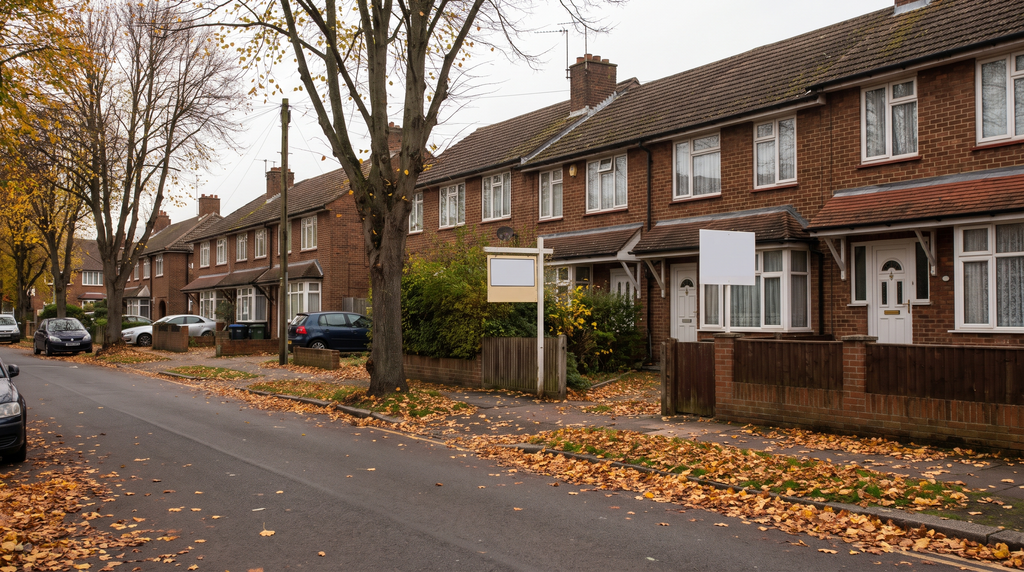
Only 28% were confident letting would still be worth it over the next five years. I see the same thing on my phone every week:
“There’s no surprise that you see so many landlords exiting after being historic landlords for 10, 20, 30, 40, even 50 years. They’re now deciding to leave.”
Where the money is going
Most landlords who sell don’t stop investing. They look for somewhere the rules are fairer. That’s what I’m seeing, anyway:
“I’m taking more and more calls where UK landlords are exiting, and they’re going into two different markets at the moment, one being Dubai, and some of the others are now heading towards Bali as well.”
I’ll be straight with you: I’m biased. I’ve lived in Dubai for five years and built a business here. So instead of selling it to you, here’s the honest version, including the parts brokers leave out.
Thinking about selling up in the UK?
Every landlord’s situation is different: mortgage, tenancy dates, tax band, what you’d do with the money. Send me a WhatsApp with what you’ve got and what you’re weighing up. I’ll tell you honestly what I’d do, even if the answer is “stay put”.
No income tax on rent in Dubai. Unless you live in Kent.
Dubai doesn’t tax an individual’s rental income. But if you’re UK-resident, HMRC taxes your foreign rental income too. Dubai rent goes on your Self Assessment like any other property income. So moving your money to Dubai doesn’t take it out of UK tax. Only moving yourself does, and that’s decided by the Statutory Residence Test, not by where you own a flat.
This is the worked example from my UK Buyer’s Guide. It’s a ready one-bed bought with cash, using registered rents from August 2026:
| Illustrative one-bed, cash purchase | Yield |
|---|---|
| Gross, as advertised | 6.3% |
| Net, after service charge, vacancy, management and maintenance | 3.87% |
| Net after UK tax, basic rate, 2026–27 | 3.09% |
| Net after UK tax, higher rate, 2026–27 | 2.32% |
| Net after UK tax, basic rate, from April 2027 (if 22% applies) | 3.02% |
| Net after UK tax, higher rate, from April 2027 (if 42% applies) | 2.24% |
GOV.UK hasn’t yet said how the new property rates treat overseas property, so the last two lines are an assumption. Check them with a UK tax adviser.
So if the tax is the same, why do UK landlords still look at Dubai? Here’s what’s different. The dirham is pegged to the dollar. Tenancies are registered centrally. Disputes go to a dedicated rental disputes centre rather than a backlogged court. And the rules are written down before you buy.
It isn’t a free-for-all, mind. To take back a home in Dubai to sell it, you serve 12 months’ notice, by notary or registered post. That’s longer than the UK’s four. The difference is you know that on day one, and it doesn’t change every Budget.
The full numbers, including costs, mortgages and capital gains tax, are in Buying Property in Dubai from the UK. For the UK-versus-Dubai return comparison, read Dubai Property ROI for UK Investors.
Before you decide
Don’t sell because of a headline, and don’t buy anywhere because of one either. Answer these five first:
- What’s your net yield after April 2027? Use 22/42/47% and mortgage relief at 22%, not this year’s numbers.
- What’s your capital gains tax bill if you sell, and when would you pay it? Residential gains are taxed at 18% or 24%.
- When can you actually get vacant possession? Check where each tenancy is against the 12-month rule.
- If you reinvest, where will you be tax-resident? That decides the tax, not the property’s postcode.
- Would you buy this property today, at today’s price, under today’s rules? If not, why are you still holding it?
Conclusion: property still works. Know where.
For my own last few UK properties, I’ve made my decision: “I’m out. I’m done. I’m dusted.” That’s my answer, not yours. Property still works. It does. But you need to know your numbers before you decide where it works for you.
Free strategy call
Want to run your own numbers?
Book a free 30-minute call with me. Bring your rents, mortgage, tenancy dates and tax band, or whatever you’ve got. We’ll work out whether selling makes sense, what it costs, and where the money could go next. If the answer is “keep it”, I’ll tell you that too.
Can I still evict a tenant to sell my property in England?
Yes, but not with Section 21, which ended on 1 May 2026. You use Ground 1A under Section 8. You give at least four months’ notice, it can’t take effect in the first 12 months of the tenancy, and you need evidence you’re genuinely selling. If the sale falls through, you can’t re-let for 12 months. Penalties for misuse run up to £40,000.
When do the new landlord tax rates start?
From 6 April 2027. Property income will be taxed at separate rates of 22% (basic), 42% (higher) and 47% (additional), two percentage points above the standard income tax rates. Relief on mortgage interest will be given at 22%. The way you report and pay doesn’t change. You still use Self Assessment.
Are landlords leaving the UK rental market?
Many say they will. In an October 2026 survey of 544 private landlords by LegalforLandlords, 18% said they’d consider selling if their tax went up, and 16% said they’d leave the private rented sector altogether. Only 28% were confident letting would still be worth it over the next five years.
Do I pay UK tax on rent from a property in Dubai?
If you’re UK-resident, yes. Dubai doesn’t tax an individual’s rental income, but HMRC taxes UK residents on their worldwide income, so Dubai rent goes on your Self Assessment. Whether you’re UK-resident is decided by the Statutory Residence Test, not your nationality or where the property is. Check your position with a UK tax adviser.
Should I sell my buy-to-let?
It depends on your numbers, not the headlines. Work out your net yield after the April 2027 rates, your capital gains tax bill, and when you could get vacant possession under Ground 1A. Then ask yourself whether you’d buy the property today at today’s price. If the answer is no, selling deserves a serious look.