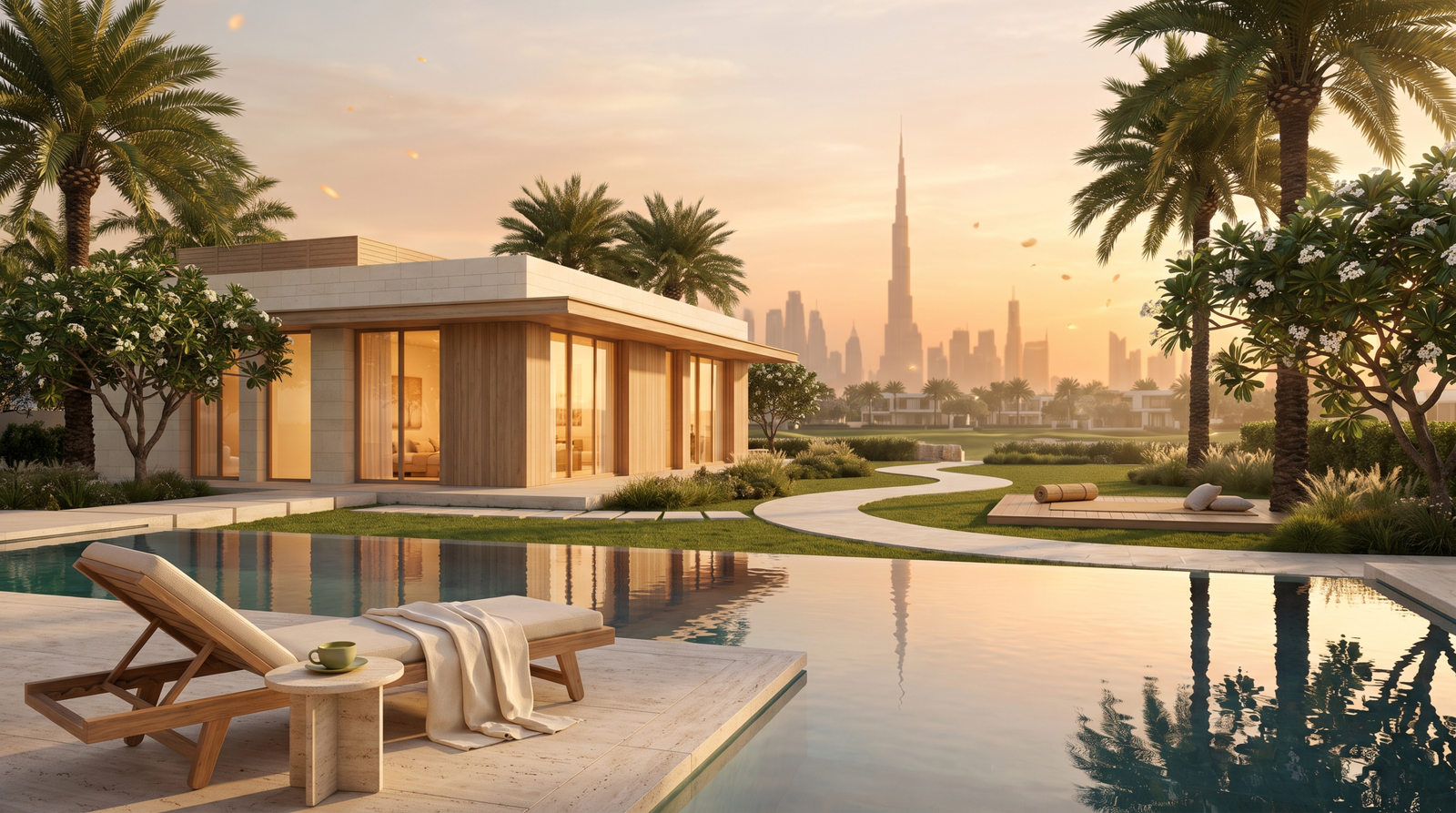
Over the last decade, one corner of the global property market has quietly outgrown everything around it. Wellness real estate in Dubai — homes and communities designed to make residents healthier, not just wealthier — has become the single fastest-growing sector in real estate worldwide. For UK investors watching their domestic returns get squeezed by rising taxes, and for UAE residents already living in one of the world’s most dynamic property markets, the timing has rarely looked better. This guide explains what wellness real estate actually is, the data behind the boom, and exactly why British buyers and UAE residents are moving now.
What Is Wellness Real Estate — and Why It Is the Fastest-Growing Property Sector
Wellness real estate refers to homes and developments built proactively around human health: clean air and water systems, abundant natural light, green and walkable surroundings, fitness and spa facilities, and increasingly, certifications such as the WELL Building Standard, Fitwel and LEED that independently measure how a building performs for the people inside it. It is no longer a niche luxury label — it is a global lifestyle shift accelerated by the pandemic and a growing focus on longevity.
The distinction matters for investors because wellness features now command real, measurable premiums. Surveys in 2025 found tenants are willing to pay a 10–25% premium for advanced wellness features such as air and water purification and direct access to green space — turning “healthy living” from a marketing line into a yield driver.
The Numbers: An $876 Billion Sector Heading to $1.8 Trillion
According to the Global Wellness Institute (GWI), wellness real estate reached $876 billion in 2025, growing roughly 23% year-on-year — nearly eight times faster than conventional construction, which grew just 3% over the same period. The sector is forecast to more than double to $1.8 trillion by 2030, expanding at around 15% a year.
| Year | Market Size | YoY Growth | Note |
| 2017 | $151B | — | Baseline |
| 2019 | $248B | +26% | Pre-pandemic peak |
| 2024 | $711B | +18% | Post-COVID surge |
| 2025 | $876B | +23% | Record growth year |
| 2030F | $1.8T | +15% CAGR | GWI projection |
Here is the detail most headlines miss, and it matters enormously for British buyers: the United Kingdom is the third-largest wellness real estate market in the world, at roughly $51 billion, behind only the United States ($254B) and China ($218B). UK investors already understand and trust this asset class at home — Dubai simply offers a far more tax-efficient, higher-yielding way to own it.
Why Dubai Is the Epicentre of the Wellness Property Boom
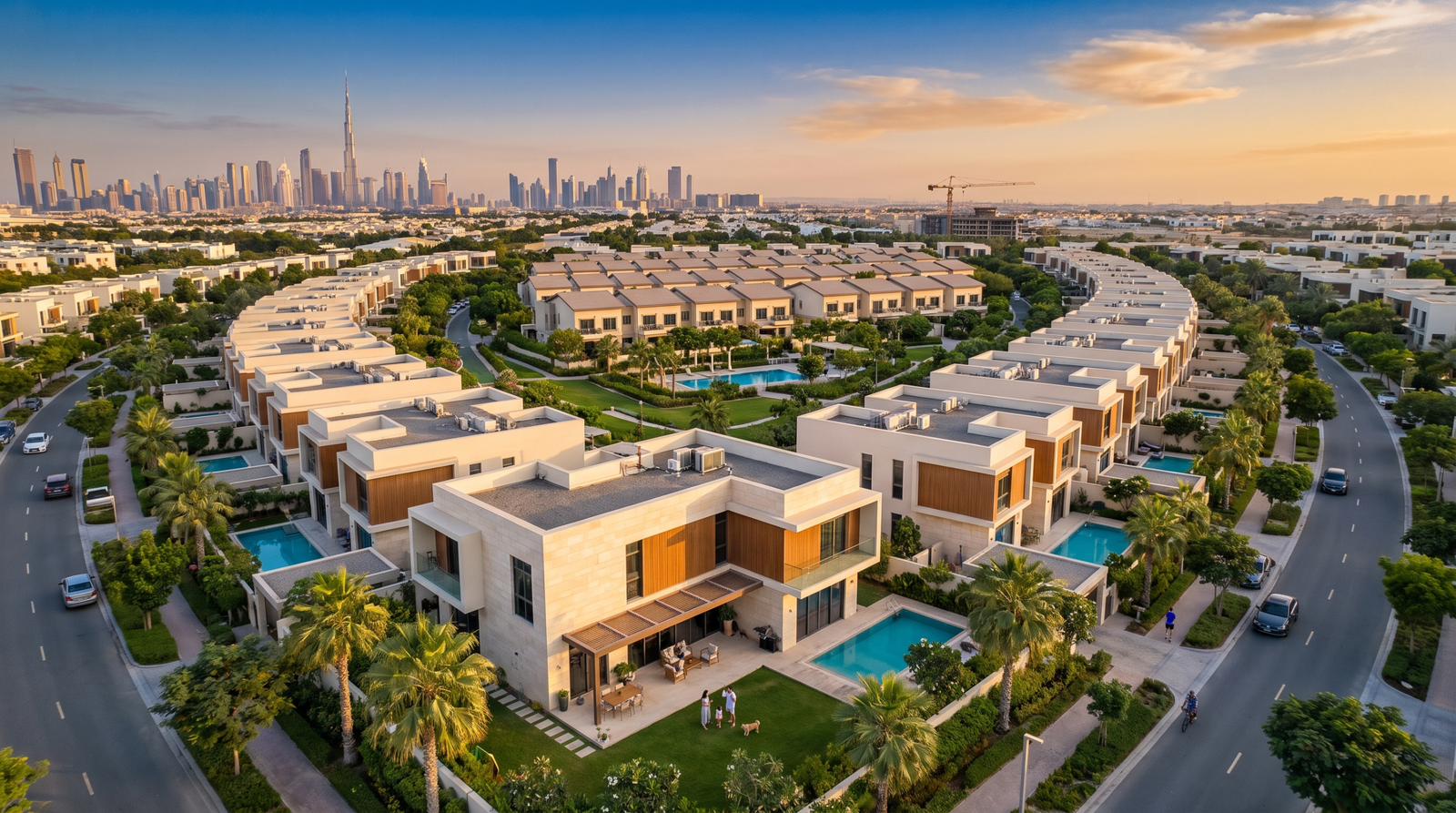
Dubai has moved faster than almost anywhere on earth to make wellness central to how it builds. The UAE’s wellness real estate market has expanded from around $3.3 billion in 2017 to $14.6 billion in 2025, and wellness-led projects now account for more than 12% of all construction activity in the country. Crucially, this is happening inside a property market that is already booming.
In the first half of 2025 alone, Dubai attracted roughly 94,700 investors — a 26% jump year-on-year — driving more than 91,000 residential transactions worth AED 262.1 billion, up 36% in value. Off-plan purchases made up 61% of all deals, and foreign investors accounted for 42% of transactions. Notably, British buyers are now the second-largest foreign buyer group, behind only Indian nationals. The wellness segment sits right at the premium end of this surge.
Why UK Investors Are Looking to Dubai in 2026
Three forces are pulling British capital toward Dubai wellness property right now: tax, yield and residency.
1. A genuinely tax-efficient environment
Dubai levies no income tax, no capital gains tax and no annual property tax on residential real estate. Rental income and resale profits are not taxed at the Dubai level. The honest caveat — and one you should plan around — is that UK-resident investors must still declare overseas rental income and gains to HMRC, with double-taxation relief applied. Even so, the gap with UK buy-to-let, where income tax can reach 40–45% and mortgage-interest relief is restricted, remains substantial. Always take regulated tax advice for your personal situation.
2. Rental yields that UK cities cannot match
As of 2026, average gross rental yields in Dubai sit around 6.6%, with apartments averaging roughly 7% and prime short-let strategies pushing higher. Compare that with prime London and most UK cities, where gross yields typically land between 3% and 5%. Citywide capital growth for 2026 is forecast at around 10%, with villas projected to appreciate close to 18%.
3. Property that comes with residency
A property investment of AED 2 million (about £420,000) qualifies for the UAE’s 10-year renewable Golden Visa, including the ability to sponsor your family. 2026 rule updates have made the investor-residency route more flexible still. For UK investors, this turns a single purchase into both an income-producing asset and a long-term residency option in a 0%-income-tax jurisdiction — a combination simply not available domestically.
What This Means for UAE Residents
If you already live in the UAE, you hold structural advantages over overseas buyers. You can typically access higher loan-to-value mortgages than non-residents, you know the communities first-hand, and you can move quickly on off-plan launches before pre-completion appreciation kicks in. Residents are also the natural end-tenants for wellness stock: as the market matures, demand for healthy, low-density, amenity-rich homes is coming as much from people relocating within Dubai as from foreign capital. Buying wellness property as a resident is both a lifestyle upgrade and a hedge on a market you are already exposed to.
Where to Buy: Dubai’s Leading Wellness Communities
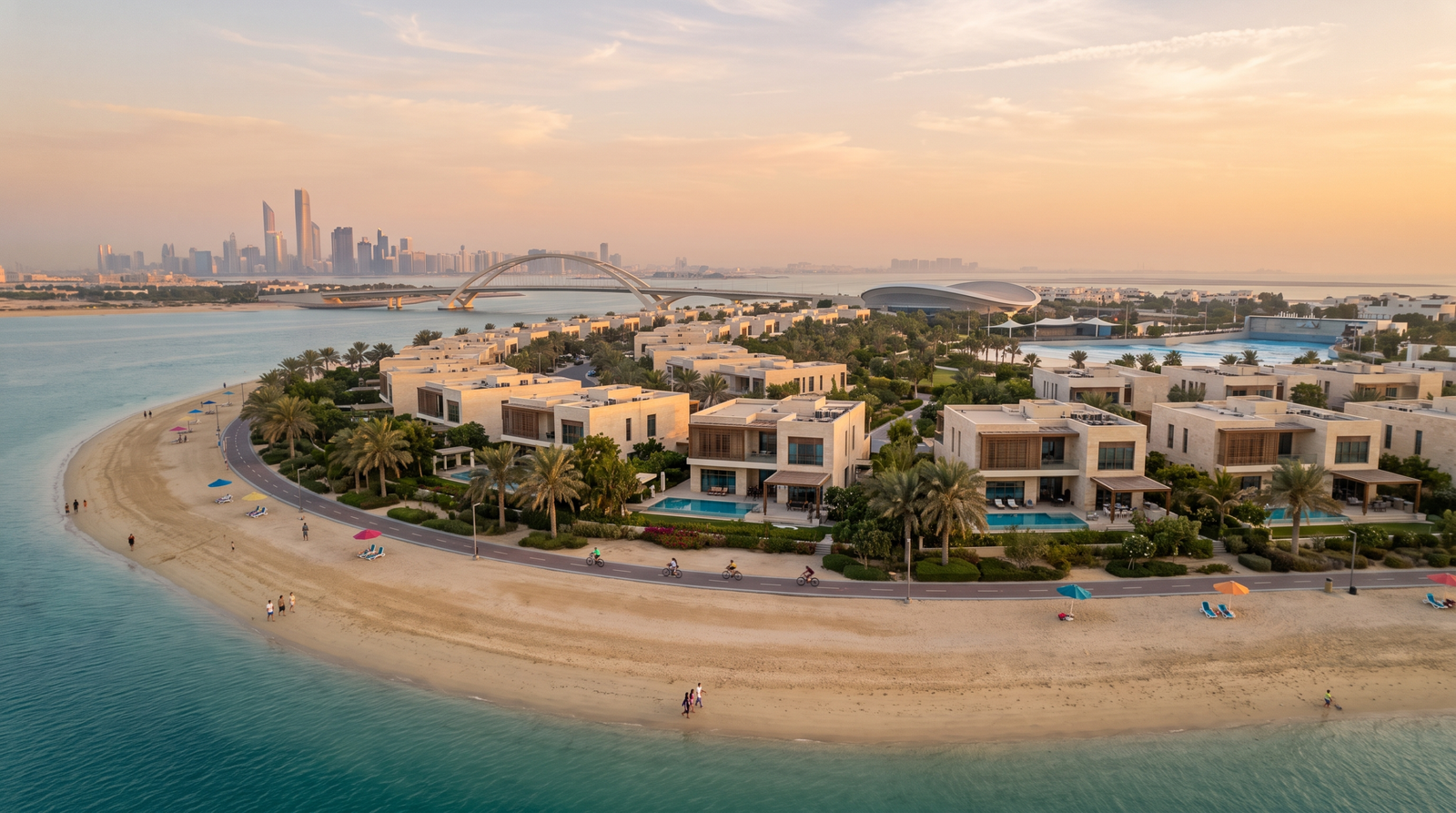
Wellness is concentrated in low-density, green, master-planned communities — exactly the areas commanding the strongest price growth above the AED 10 million mark. Standout locations include:
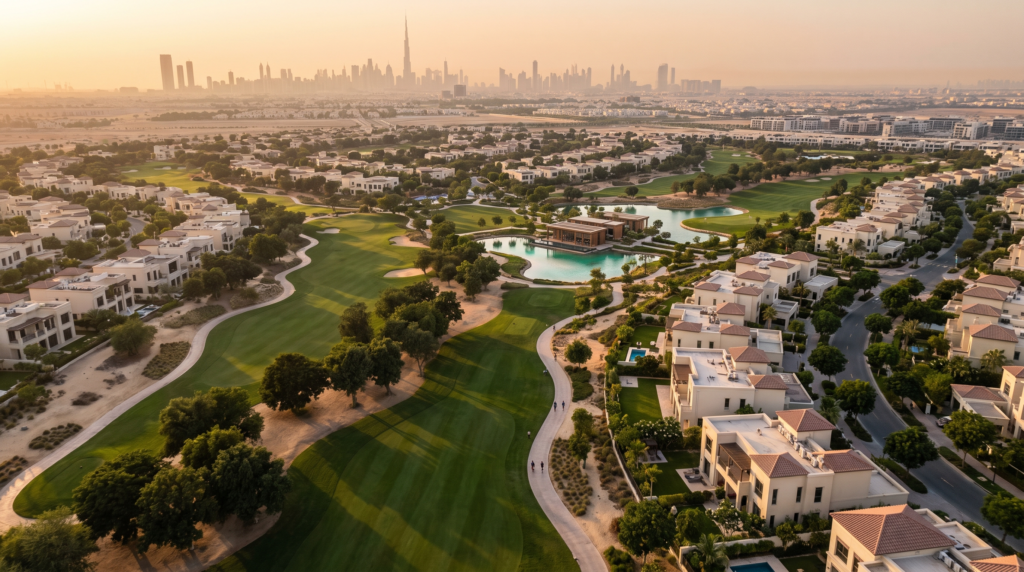
- Dubai Hills Estate — the benchmark for suburban wellness: a central park, golf course, jogging tracks, schools and walkable, tree-lined streets.
- Mohammed Bin Rashid (MBR) City — home to the AED 5.7 billion Keturah Reserve, a bio-living community of 540 homes designed around natural light and open space.
- Emirates Hills — Dubai’s most exclusive green villa enclave, with large gardens, privacy and parkland for buyers seeking the premium tier.
- Dubai Creek Harbour & Keturah Resort — the Ritz-Carlton Residences at Keturah are positioned as the Middle East’s first fully wellness-certified resort, beside the Ras Al Khor sanctuary.
- Damac Lagoons & The Heights Country Club & Wellness — master-plans built explicitly around outdoor, community and lifestyle living.
Branded Wellness Residences: The Premium Play
Dubai now has one of the largest pipelines of branded residences in the world — a market estimated at around $10.8 billion. Branded units command an average 30–35% price premium over comparable non-branded homes, and analysts project capital gains of 18–22% for this niche in 2026. The category is increasingly defined by wellness: Six Senses Residences in Dubai Marina integrate spa expertise, meditation zones and health services into the homes themselves, while names such as SHA Emirates bring longevity-clinic living to the market. For investors prioritising appreciation and prestige tenants, branded wellness is the sharpest end of the trend.

How to Get Started — and What to Watch
Wellness real estate is a strong opportunity, not a guaranteed one. Approach it the way you would any serious investment:
- Buy certified, not just marketed. Prioritise developments with genuine WELL, Fitwel or LEED certification over “wellness-themed” branding alone.
- Choose proven developers and locations. Off-plan rewards quality — stick to reputable developers in high-demand, low-density communities.
- Model the real yield. Factor in service charges, agency fees and any UK tax liability — not just the headline gross yield.
- Plan the residency angle. If the Golden Visa matters to you, confirm the property and price meet current thresholds before you commit.
- Get advice on both sides. Use a regulated UAE agent and a UK-aware tax adviser so nothing surprises you at filing time.
Is wellness real estate in Dubai a good investment for UK buyers?
It can be. Wellness real estate is the fastest-growing property sector globally (around $876 billion in 2025, forecast to reach $1.8 trillion by 2030), and Dubai pairs that demand with 6–7%+ rental yields, no local income or capital gains tax, and a residency-by-investment route. As with any investment, returns are not guaranteed and depend on the developer, location and your tax position.
Do UK investors pay tax on Dubai rental income?
There is no income or capital gains tax at the Dubai level. However, UK-resident investors must still declare overseas rental income and gains to HMRC, with double-taxation relief applied. Take regulated tax advice for your circumstances.
Can buying property in Dubai get me a golden visa?
Yes. A property investment of around AED 2 million (about £420,000) qualifies for a 10-year renewable UAE Golden Visa, with family sponsorship. 2026 updates have made the investor-residency route more flexible.
What rental yields can wellness properties in Dubai achieve?
Average Dubai gross yields are around 6.6% in 2026, with apartments near 7% and short-let strategies higher. Wellness features can add a 10–25% rental premium, and branded wellness residences are projected to see 18–22% capital gains in 2026.
Which Dubai communities are best for wellness real estate?
Leading wellness-focused communities include Dubai Hills Estate, Mohammed Bin Rashid City (Keturah Reserve), Emirates Hills, Dubai Creek Harbour and Damac Lagoons — all low-density, green and amenity-rich.
The future of real estate is wellness. The time to invest is now.
I help UK investors and UAE residents identify, evaluate and secure the right wellness-led properties in Dubai — from off-plan launches to certified branded residences, including the Golden Visa pathway. Get in touch with James Sahota for a no-obligation conversation about your goals and a shortlist tailored to your budget.